

Mikuni Carburetor Manual PDF Overview

Explore the official Mikuni Carburetor Manual PDF‚ detailing design‚ installation‚ and tuning. It offers step‑by‑step guidance‚ diagrams‚ and troubleshooting for reliable performance.2026
Purpose and Audience
The Mikuni Carburetor Manual PDF serves as a comprehensive guide for mechanics‚ hobbyists‚ and motorcycle enthusiasts seeking to understand‚ install‚ and fine‑tune Mikuni carburetors. Its primary purpose is to provide clear‚ step‑by‑step instructions‚ detailed schematics‚ and troubleshooting tips that cover every model—from the classic VM22 to the high‑performance Super BN. The manual targets users who need reliable‚ repeatable performance‚ whether they are restoring vintage machines‚ upgrading modern engines‚ or simply maintaining daily rides. By offering precise mixture‑screw adjustments‚ idle‑speed settings‚ and jet‑selection recommendations‚ the PDF empowers readers to achieve optimal fuel‑air balance‚ smooth idle‚ and consistent throttle response. Additionally‚ the document includes safety warnings‚ component‑specific maintenance schedules‚ and links to official Mikuni resources‚ ensuring that both novice and seasoned technicians can confidently work on any Mikuni carburetor—
Content Scope
The Mikuni Carburetor Manual PDF covers every aspect of design‚ installation‚ and tuning for all Mikuni carburetor models. It includes detailed diagrams of throttle mechanisms‚ fuel screws‚ idle speed screws‚ and jetting systems‚ along with step‑by‑step assembly instructions. The manual explains how to adjust mixture screws for optimal performance‚ provides guidelines for warm‑up procedures‚ and offers troubleshooting tips for common issues such as lean or rich running and idle speed problems. Additionally‚ it highlights special model features‚ including the Super BN and VM22 variants‚ and offers recommendations for jet selection and fuel pump maintenance. The PDF also links to official Mikuni resources and community forums for further support. Users can also download the PDF directly from Mikuni’s official website or reputable third‑party sites‚ ensuring they have the latest version with updated jet tables. Includes safety guidelines.!!
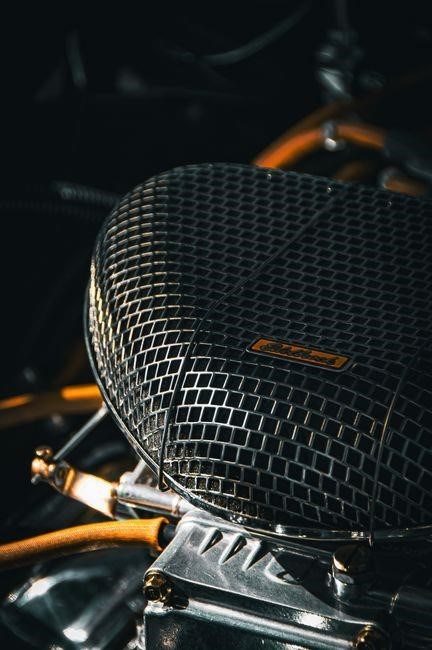
Finding the PDF
Locate the official Mikuni PDF via the manufacturer’s website or trusted third‑party archives. Search “Mikuni carburetor manual PDF” for links‚ ensuring the file is current and authentic !!
Official Mikuni Resources
Official Mikuni resources provide direct access to the most accurate and up‑to‑date carburetor manuals. The company’s official website hosts a dedicated support section where users can locate PDF downloads for every model‚ including the popular VM22‚ Super BN‚ and VM30 series. By navigating to the “Downloads” tab‚ selecting “Carburetor Manuals‚” and choosing the appropriate product code‚ you can retrieve a single PDF that contains schematics‚ installation instructions‚ and tuning guidelines. The PDFs are labeled with version numbers and revision dates‚ ensuring you are working from the latest data. For additional assistance‚ Mikuni offers a contact form and chat to connect you with support reps precise tuning for carburetor and oil!? and setups. These official documents are the most reliable source for troubleshooting‚ part identification‚ and performance optimization‚ and they are regularly updated to reflect changes in design or regulatory requirements!!
Third-Party Downloads
Third‑party sites host archived Mikuni carburetor manuals‚ often in compressed ZIP or PDF format. Popular repositories include Carburetor.com‚ Mikuni‑Manuals.org‚ and community forums such as MotorcycleForums.com. Users can search by model number (e.g.‚ VM22‚ Super BN) or by year of manufacture. These downloads typically include older revision PDFs that may contain legacy jetting tables or historical tuning data. While convenient‚ third‑party copies may lack the latest revisions or contain outdated specifications‚ so cross‑referencing with official sources is recommended. Additionally‚ some forums provide PDF conversion tools or scanned images of hard‑copy manuals‚ which can be useful when the original PDF is unavailable. Always verify the file integrity and source reliability before using the manual for critical tuning or repairs. This manual is essential for achieving performance and maintaining reliability for riders dailyuse
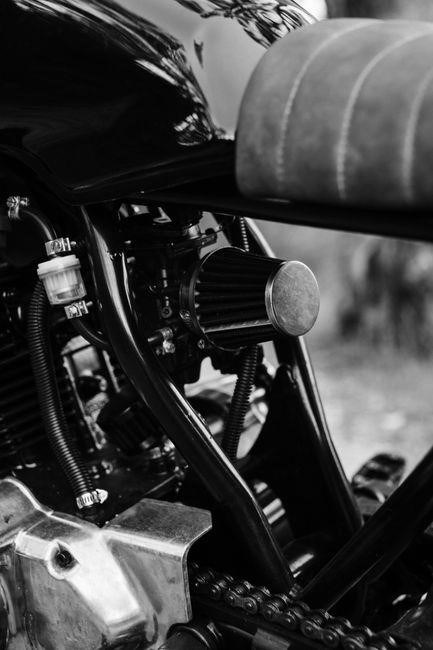
Key Components Explained
Mikuni carburetor core parts: throttle butterfly‚ fuel screw‚ idle screw‚ main jet‚ pilot jet‚ and fuel pump. Each element adjusts airflow‚ fuel delivery‚ and idle for optimal performance!
Throttle Mechanism
The throttle mechanism in a Mikuni carburetor is a critical component that controls the amount of air entering the engine. It consists of a throttle butterfly valve that opens and closes in response to throttle lever movement; When the rider lifts the throttle‚ the butterfly valve opens‚ allowing more air and fuel to mix‚ increasing engine speed. Conversely‚ closing the throttle reduces airflow‚ lowering RPM. The mechanism is calibrated to provide smooth transitions‚ preventing abrupt power changes. Proper adjustment ensures optimal idle‚ acceleration‚ and overall performance. The throttle lever’s position is translated into a precise valve opening by a camshaft link‚ ensuring consistent airflow across all RPM ranges. Adjustments are typically made by turning the throttle screw‚ which fine‑tunes the valve lift. Proper calibration is essential for maintaining smooth idle‚ preventing stalling‚ and achieving responsive acceleration during spirited riding sessions. Fine‑tuning the throttle lever involves rotating the throttle screw until the valve lift matches the desired idle speed‚ then verifying the engine’s response to throttle inputs at various RPMs to ensure the carburetor delivers the correct fuel‑air mixture for optimal performance. This precise adjustment ensures the engine runs smooth fro idl to ful throttle.
Fuel Screw and Mixture Adjustment
The fuel screw on a Mikuni carburetor is the primary tool for adjusting the air‑fuel ratio. Located near the throttle body‚ it allows the rider to fine‑tune the mixture by turning the screw clockwise to enrich the mixture or counter‑clockwise to lean it. Manual recommends a starting point of a neutral setting then adjusting in small increments of 1/8 turn while observing engine response. A richer mixture will smooth idle and improve low‑speed torque‚ whereas a leaner setting can boost high‑RPM power but may cause detonation if over‑leaned. Proper adjustment requires warming the engine‚ setting the idle speed screw first‚ then turning the fuel screw until the engine runs smoothly at the desired RPM range. The manual also notes that the screw’s thread pitch varies between models‚ so using a calibrated feeler gauge helps achieve precise settings. Checks are advised after changes to fuel system storage to maintain optimal performance for all riding conditions and safety and!!!
Idle Speed Screw

The idle speed screw on a Mikuni carburetor controls the engine’s idle RPM by regulating the amount of air that bypasses the throttle plate. To adjust‚ first warm the engine‚ then set the idle screw to the manufacturer’s recommended neutral position. From there‚ turn the screw clockwise to increase idle speed or counter‑clockwise to decrease it. Small increments of 1/8 turn are advised‚ listening for smoothness. The manual stresses that the idle setting should be fine‑tuned after any fuel or jet changes to maintain a steady idle across temperature variations. A properly set idle ensures reliable starting‚ reduces wear‚ and provides a stable platform for further tuning. Follow the diagram in the PDF for screw location and torque specifications‚ and always verify the idle after each adjustment to avoid over‑revving or stalling; Remember to document settings for future reference and consult the Mikuni manual for model‑specific nuances.
Jets and Jetting
In the Mikuni carburetor manual‚ jetting is described as the precise selection and placement of jets to match engine size‚ altitude‚ and fuel quality. The main jet‚ located in the fuel bowl‚ dictates base fuel flow; the needle jet‚ positioned in the throttle valve‚ fine‑tunes mixture at low throttle. The manual advises starting with the factory jet set‚ then adjusting by 1/8‑turn increments while monitoring engine response. A richer mixture is achieved by turning the needle jet counter‑clockwise‚ whereas a leaner mix requires clockwise turns. Proper jetting balances torque‚ fuel economy‚ and emissions. The PDF includes a chart correlating jet sizes with RPM ranges‚ and a troubleshooting section that highlights symptoms of oversized or undersized jets‚ rough idle or high exhaust temps. Always follow the recommended torque values for jet screws and replace jets with matching material to avoid corrosion and ensure longevity.

Tuning Guidelines
Use the manual’s step‑by‑step tuning flow: warm the engine‚ set idle‚ adjust the mixture screw by 1/8 turns‚ and verify smooth idle before finalizing jet settings. and check throttle response!!.
Warm-Up Procedures
Before tuning‚ allow the engine to warm to operating temperature. Idle for 5–10 minutes‚ observing throttle response idle speed; a smooth idle confirms proper combustion. Adjust the mixture screw gradually‚ turning it out for richer air‑fuel if the idle stalls or runs lean. Verify fuel pump pressure by checking steady flow in the fuel line. Re‑check the idle speed screw‚ setting it to the manufacturer’s recommended value to keep a stable idle while the carburetor runs hot. Inspect the carburetor for oil residue or debris that could affect jetting. A tight mixture screw may cause excess richness‚ fouling spark plugs reducing efficiency; a loose screw can lead to a lean mixture and overheating. Fine‑tune the idle speed screw after warming to match spec RPM‚ ensuring idling throttle response. Document adjustments for future reference‚ cool the engine before disassembly to avoid burns or damage
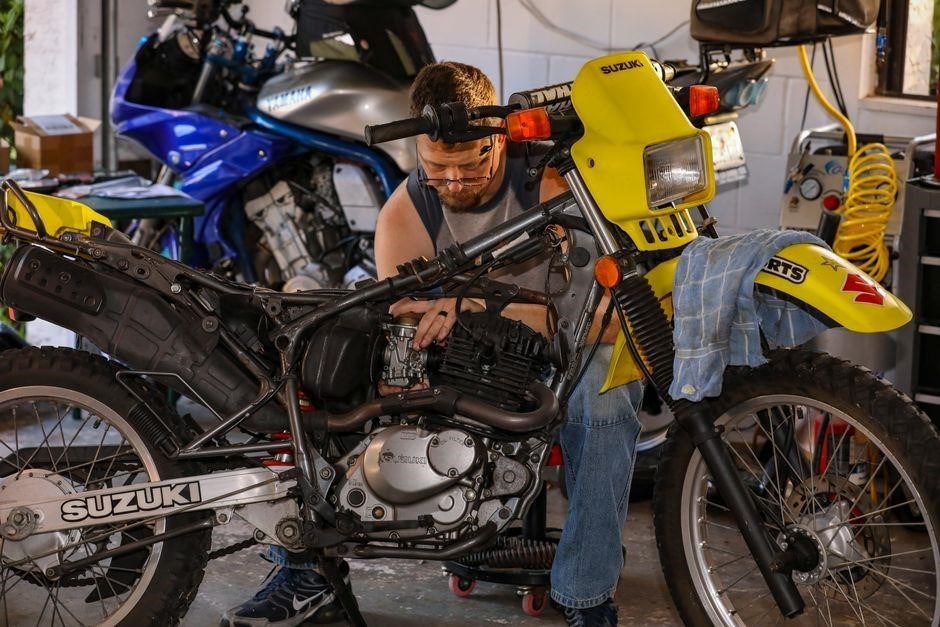
Mixture Screw Adjustments
On a Mikuni VM22 carburetor‚ the mixture screw controls the air‑fuel ratio: turning it out enriches the mixture‚ while turning it in makes it leaner. Begin with the engine at operating temperature and the throttle slightly open. Adjust the screw in small increments—typically 1/8 to 1/4 turn—monitoring idle speed and engine response. A richer mixture will raise idle RPM and smooth idle‚ whereas a leaner setting may lower idle and cause hesitation. Use a feeler gauge or a fuelpressure gauge to confirm that the mixture remains within the manufacturer’s recommended range. If the engine stalls or runs rough‚ back off the screw slightly. Record the final screw position for future reference and to ensure consistency across maintenance cycles. After adjustment‚ run the engine through a rev test to confirm smooth operation. If further fine‑tuning is needed‚ repeat the process‚ noting idle changes. A set mixture screw improves fuel economy reduces emissions‚ extending life.
Idle Speed Optimization
Idle speed is set by the idle speed screw‚ located on the carburetor body. To optimize‚ warm the engine to operating temperature‚ then adjust the screw in 1/8‑turn increments. A higher screw setting raises idle RPM‚ while a lower setting reduces it. Use a tachometer to target the manufacturer’s recommended idle range‚ typically 1‚200–1‚500 rpm for most Mikuni carburetors. After setting‚ allow the engine to stabilize for 30 seconds‚ then re‑check RPM. If the idle is too high‚ tighten the screw slightly; if too low‚ loosen it. Ensure the throttle is in the mid‑position to avoid bias. Finally‚ verify that the mixture screw is properly set‚ as a rich mixture can mask idle issues. Document the screw position and idle RPM for future maintenance. The manual also offers a troubleshooting table and jetting chart for different engine sizes. Log screw settings and idle RPM after adjustments; this data aids long‑term performance checks across fuels and altitudes now.
Fuel Pump and Jet Sections
The Mikuni manual details the separate fuel pump and jet assemblies‚ allowing precise jetting for various engines. The fuel pump is mounted on the carb body‚ driven by the throttle linkage; it delivers a steady fuel flow regulated by the fuel screw. Jetting is achieved through a series of main jets‚ pilot jets‚ and a fuel pump jet‚ each with specified diameters (e.g.‚ 0.75 mm‚ 1.0 mm). The manual provides a jetting chart correlating engine displacement‚ RPM‚ and fuel type. Adjusting the fuel screw changes the fuel pressure‚ while the jet size determines the fuel‑air mixture. For high‑performance models‚ the manual recommends a larger pump jet to support increased airflow. Proper installation requires cleaning the jet passages‚ ensuring no debris‚ and verifying the fuel pump’s alignment. This section highlights the importance of maintenance checks to prevent fuel issues. Following the documented procedures ensures optimal fuel delivery and engine longevity.

Common Issues and Troubleshooting
Common issues include lean/rich running‚ idle instability‚ and fuel pump failure. Clean jets‚ adjust mixture screw‚ verify fuel pressure‚ and inspect throttle linkageforsmoothoperation.
Lean vs Rich Running
When a Mikuni carburetor runs lean‚ the engine may sputter‚ misfire‚ or exhibit a high idle. Symptoms include a noticeable “hissing” sound and a blueish exhaust. A rich mixture‚ on the other hand‚ often produces a sluggish throttle response‚ a darker exhaust‚ and can lead to fouled spark plugs. To diagnose‚ first check the fuel screw: turning it counter‑clockwise enriches the mix‚ while clockwise pulls it lean. Inspect the jets for clogging; a blocked main jet will lean the mixture‚ whereas a clogged idle jet can cause a rich idle. Use a compression gauge and a fuel pressure gauge to confirm that the fuel pump is delivering the correct pressure. If the mixture remains off after cleaning‚ adjust the mixture screw in small increments‚ typically 1/8 turn‚ and observe the engine’s response. A properly tuned Mikuni carburetor should run at a stable idle‚ with a smooth throttle‚ and a clear‚ blue‑white exhaust glow.Check plugs OK.
Idle Speed Problems
Idle speed issues in a Mikuni carburetor often stem from a misadjusted idle screw‚ a dirty idle jet‚ or a vacuum leak. A high idle may indicate a clogged idle jet or a vacuum hose that is not sealed‚ while a low idle can result from a worn idle screw or insufficient fuel flow. Start by cleaning the idle jet with a fine brush ensuring idle screw is correctly positioned. Check the vacuum lines for cracks or disconnections; a vacuum leak will pull the mixture lean‚ causing a high idle. If the idle remains unstable‚ inspect the fuel pump for proper pressure and replace it if it has degraded. Finally‚ adjust the idle screw in small increments‚ typically 1/16 turn‚ and observe the engine’s response at idle. A smooth idle should be steady‚ with no hesitation or oscillation‚ and the exhaust should emit a clear‚ blue‑white glow;
Remember to keep the idle jet clean and verify the vacuum hoses are intact; even a minor leak can throw the idle off! .

Special Models and Variants
The Mikuni Super BN features higher airflow and a separate fuel pump for easy maintenance‚ while the VM22 offers precise fuel screw tuning. Both share core design but differ in jetting.
Super BN Carburetor
The Mikuni Super BN is a high‑performance carburetor designed for watercraft and high‑output engines. It builds on the proven BN series by increasing airflow capacity and incorporating a separate fuel pump and jet section for easier maintenance and more precise fuel delivery. The larger throttle bore and optimized venturi shape allow higher volumetric efficiency‚ while the dedicated fuel pump ensures consistent pressure across a wide range of operating conditions. Users report smoother idle‚ improved throttle response‚ and the ability to run richer mixtures without sacrificing power. The Super BN’s modular design also simplifies jetting adjustments‚ making it a popular choice for both marine and automotive enthusiasts seeking reliable performance and easy serviceability. Its construction uses high‑grade aluminum alloy for durability‚ and the integrated fuel pump delivers a steady 1.5 psi pressure‚ making it suitable for both racing and daily marine use
VM22 Model Features
The Mikuni VM22 is a compact‚ high‑flow carburetor tailored for small engines and mopeds. It features a 22 mm throttle bore‚ a dual‑jet system with a 3 mm main jet and a 1;5 mm needle jet‚ and a lightweight aluminum body for reduced mass. The fuel screw is located on the side of the body‚ allowing easy adjustment; turning it out enriches the mixture‚ while turning it in leans it. A built‑in fuel pump delivers a steady 1.5 psi pressure‚ ensuring consistent fuel delivery at high RPMs. The VM22’s venturi design optimizes airflow‚ providing a smooth idle and rapid throttle response. Its modular construction allows quick jetting changes‚ making it popular for both racing and everyday use. The carburetor also includes a clear fuel line for easy inspection and a sealed float chamber that resists water ingress‚ extending its service life in humid or marine environments. Its compact design also simplifies maintenance swaps for service!
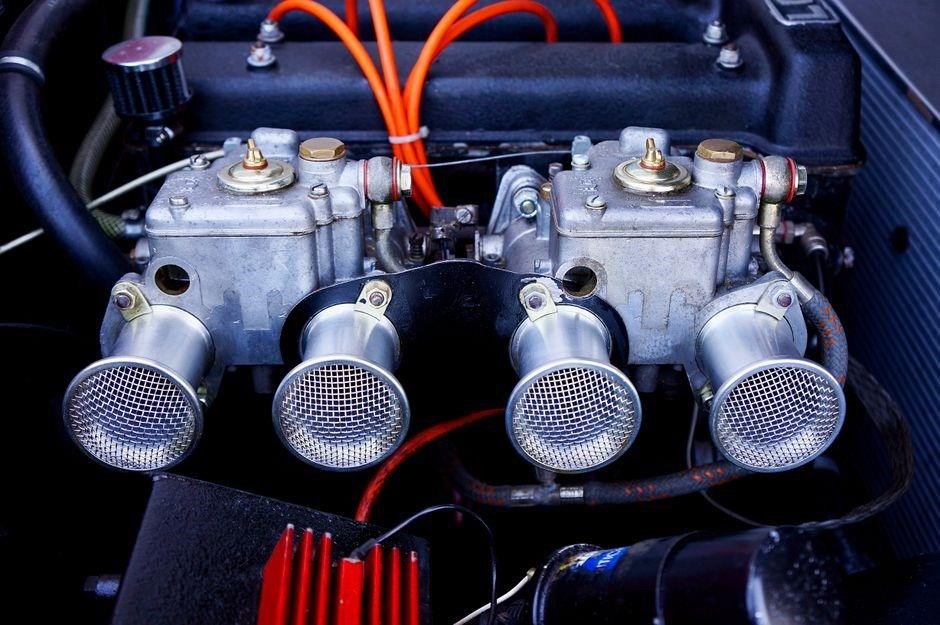
Resources and Further Reading
Explore official Mikuni PDFs‚ community forums‚ and tuning guides. Visit mikuni.com‚ SpeedMotoCo‚ and MotoForums for detailed manuals‚ jetting charts‚ and expert tips. for enthusiasts world now.!
Manufacturer Documentation Links
Official Mikuni documentation is available directly from the manufacturer’s website and through authorized distributors. The primary source is the Mikuni Technical Support portal‚ where users can download the latest PDF manuals for each carburetor model‚ including the BN‚ Super BN‚ and VM22 series. Each manual contains detailed schematics‚ installation instructions‚ and tuning guidelines. Additionally‚ the Mikuni Global website hosts a searchable database of technical notes‚ service bulletins‚ and product specifications. For those working with older models‚ the Mikuni Archive section provides legacy PDFs that cover discontinued carburetor lines. Users can also access the Mikuni Support Forum‚ a community-driven platform where technicians share troubleshooting tips‚ jetting charts‚ and real‑world performance data. The forum includes a dedicated “Documentation” thread that links to PDFs‚ firmware updates‚ and user‑generated guides.—-
Community Forums and Guides
Engage with a vibrant community of Mikuni enthusiasts on platforms such as MotoTalk‚ CycleWorld‚ and the r/motorcycles subreddit. These forums host detailed threads on carburetor installation‚ jetting‚ and troubleshooting‚ often featuring step‑by‑step photo guides. Dedicated Mikuni user groups on Facebook and Discord provide real‑time support and share custom tuning scripts. Video tutorials on YouTube‚ from seasoned mechanics to hobbyists‚ cover everything from basic maintenance to advanced performance tuning. Many members publish downloadable PDFs of their own tuning charts and calibration logs‚ which can be cross‑referenced with the official manual for optimal results. Participating in these discussions not only deepens technical knowledge but also connects you with a network of experienced users who can offer hands‑on advice and share rare parts sourcing tips.tips.Join discussions‚ share tips‚ and stay carb tuning..