

2019 F-150 Owners Manuals Overview

The 2019 F‑150 owners manuals provide comprehensive guidance on vehicle operation, maintenance, and safety․ They detail trim options, engine specs, and advanced features, ensuring drivers can confidently navigate daily tasks and long‑term care․ Use the manuals to optimize performance and safety․!!
Scope and Purpose of the Manual
The 2019 Ford F‑150 Owner’s Manual is designed to serve as the definitive guide for every owner, providing clear, concise, and comprehensive information that covers all aspects of vehicle operation, maintenance, and safety․ Its scope encompasses every trim level, engine configuration, and optional equipment package, ensuring that whether you drive a base XL or a fully equipped Lariat, you have access to the precise details you need․ The manual’s purpose is to empower drivers with knowledge, enabling them to operate the truck safely and efficiently while also preserving its longevity and resale value․ It explains the fundamentals of the vehicle’s powertrain, drivetrain and suspension systems, and it offers step‑by‑step instructions for routine maintenance tasks such as oil changes, tire rotations and fluid top‑ups․ In addition, it details advanced features and technology, including the infotainment system, driver‑assistance packages, and connectivity options, providing guidance on setup, calibration, and troubleshooting․ Safety is a core focus, with sections dedicated to seat‑belt usage, air‑bag deployment, and emergency response procedures․ The manual also outlines the warranty coverage, service intervals and recommended maintenance schedules, helping owners keep the truck in peak condition․ By following the guidance in this manual, owners can avoid costly repairs, extend the life of critical components, and enjoy a driving experience that reflects Ford’s quality and durability This manual is your companion for every drive
How to Use This Plan
To effectively navigate the 2019 Ford F‑150 Owner’s Manual, begin by locating the table of contents on page 5, which lists all sections and page numbers for quick reference․ The manual is organized into logical chapters: vehicle overview, powertrain, safety systems, and maintenance․ Each chapter starts with a concise summary that highlights key points, followed by detailed explanations, diagrams, and step‑by‑step procedures․ For routine tasks such as checking fluid levels, the manual provides the exact locations of reservoirs, the proper gauge readings, and the recommended intervals․ When troubleshooting, use the troubleshooting guide on page 112, which cross‑references symptoms with potential causes and corrective actions․ The manual also includes a glossary of technical terms to aid understanding of automotive jargon․ If you have a specific feature—such as the SYNC infotainment system or the Adaptive Cruise Control—navigate to the dedicated feature section, where you’ll find the setup instructions, calibration steps, and troubleshooting tips․ For warranty and service information, refer to the warranty coverage section on page 200, which details the duration, mileage limits, and covered components․ Finally, keep the manual in a convenient location in the glove box for easy access during daily driving and maintenance appointments․ By following the structured layout and using the cross‑referenced tables, you can quickly find the information you need, ensuring safe and efficient operation of your F‑150․ Keep manual handy for all uses․

Vehicle Overview
The 2019 F‑150 offers versatile body styles, from the rugged XL to the luxurious Platinum․ It features a spacious cabin, advanced infotainment, and robust towing capacity․ The manual details dimensions, weight, and trim options for optimal selection and usage․It covers towing limits and safety tips․
Exterior Features and Specifications
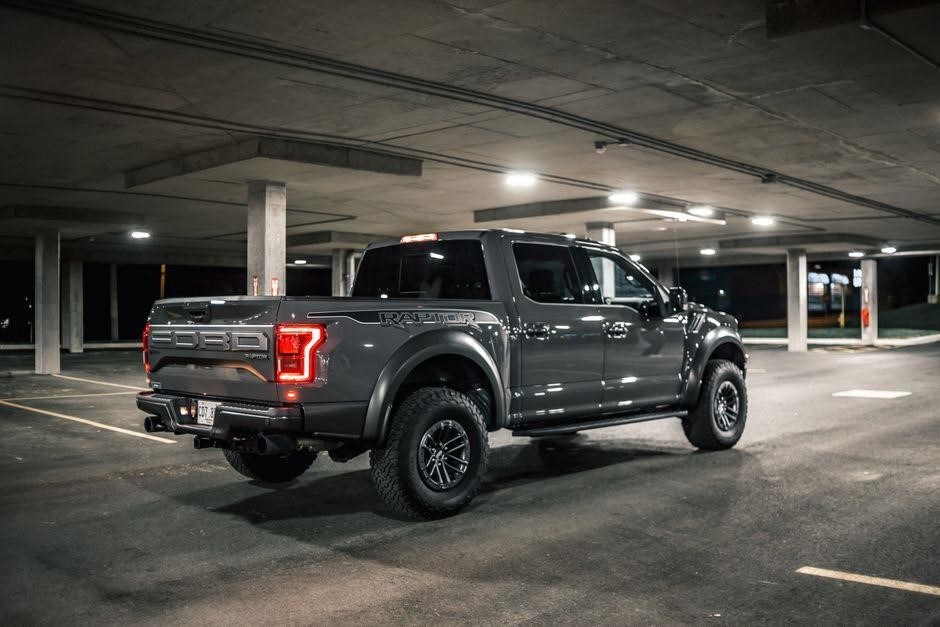
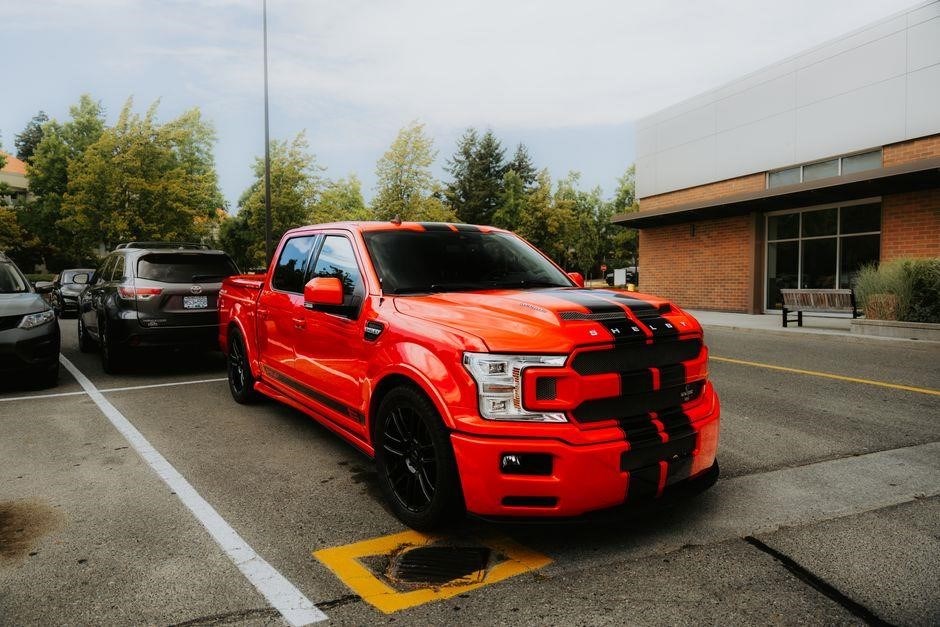
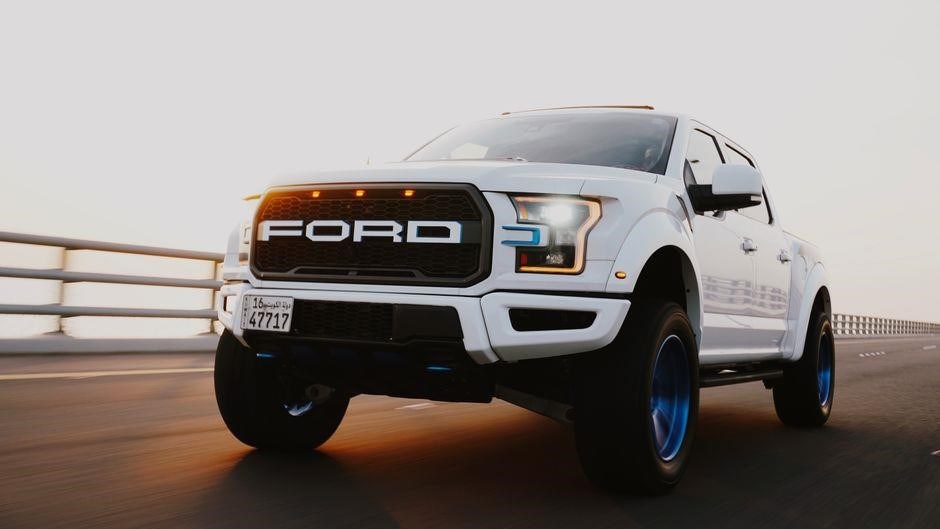
Exterior design of the 2019 F‑150 blends aggressive styling with functional practicality․ The front fascia features a bold, chrome‑trimmed grille, LED daytime running lights, and a sculpted hood with a signature “F‑150” emblem․ A recessed, chrome‑accented hood scoop enhances airflow to the engine bay․ The side profile showcases a muscular stance, wide wheel arches, and a generous cargo bed․ Dual‑headlight LED units provide superior illumination and a modern aesthetic․ The rear end is defined by a chrome‑trimmed tailgate, integrated LED taillights, and a functional, removable rear spoiler for improved aerodynamics․ Optional roof rails and a tow package add versatility for off‑road and towing applications․ The vehicle is available in multiple wheel sizes, ranging from 18‑inch alloy wheels to 20‑inch performance variants, each with a distinctive rim design․ The 2019 F‑150’s exterior is engineered for durability, featuring high‑strength steel and aluminum alloy panels for crash protection while keeping weight low, which improves handling and fuel efficiency․ Its sleek lines and chrome accents give it a rugged look․ The design’s aerodynamic shape reduces drag, boosting fuel economy and providing a smoother ride, while chrome trim adds practicality for everyday!․ daily․ use!! Its bold chrome accents add edge․
Interior Features and Comforts
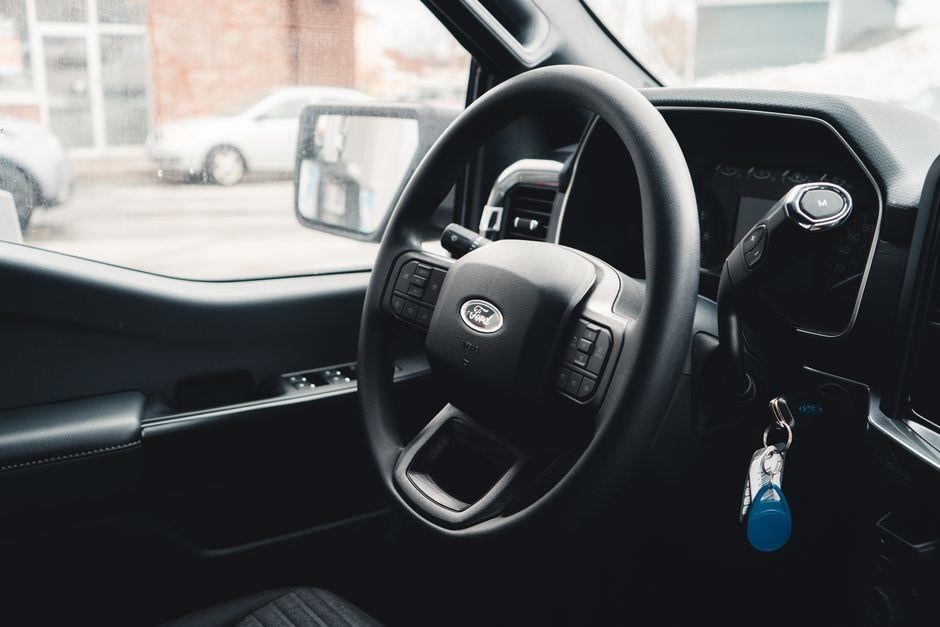
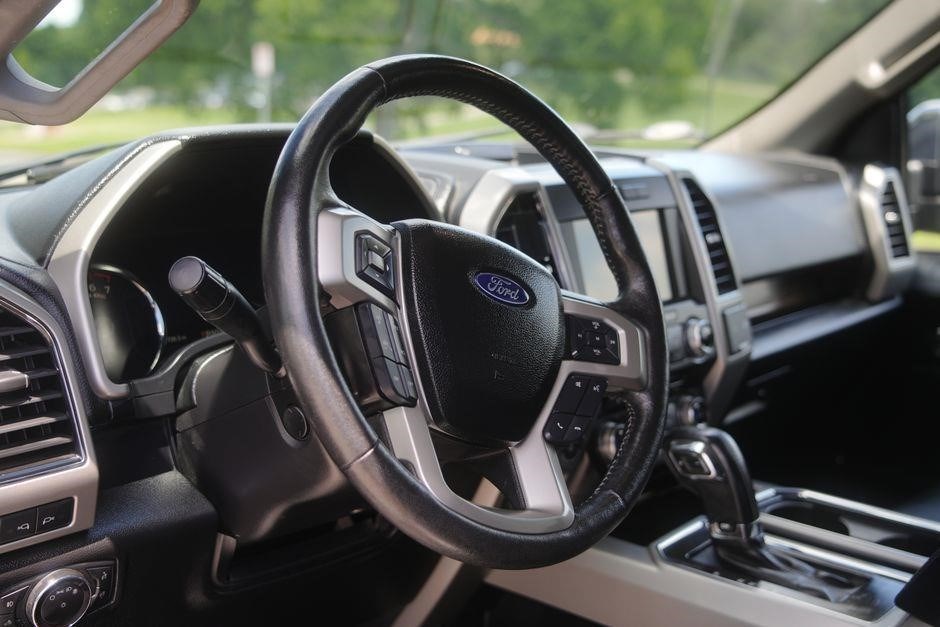
The 2019 F-150 interior blends rugged durability with modern comfort․ Premium upholstery options include leather, Alcantara, and durable polyester, all available in contrasting trim․ The cabin features a 12-inch touchscreen infotainment system, Apple CarPlay, Android Auto, and a 10-speaker Bose audio system․ Dual-zone climate control, heated and ventilated seats, and a power-adjustable driver seat with memory settings enhance driver comfort․ A 360-degree camera system and blind-spot monitoring provide added safety․ The dashboard showcases a digital instrument cluster that can be customized to display speed, fuel economy, and navigation․ A spacious cargo area with a 12-inch rear-view camera and a rear-seat entertainment system keeps passengers entertained․ The cabin is designed for easy access with a power-folding rear seat and a 12-inch rear-view mirror with auto-dim․ Optional features include a head-up display, a premium navigation system, and a wireless charging pad․ The interior also includes a 6-point seat belt system, a built-in Bluetooth hands-free kit, and a 3-way power-folding rear seat․ The 2019 F-150’s interior is engineered for long-haul comfort, with ergonomic controls, ample storage, and a quiet cabin thanks to sound-deadening materials․ The overall design balances toughness with luxury, ensuring a comfortable ride for both work and leisure․ The cabin’s daily is boosted by acoustic panels, and the sunroof offers a beautiful view, turning every drive into a memorable experience․
Engine and Powertrain
The 2019 F‑150 offers a 3․5L V6 EcoBoost, a 5․0L V8, and a 3․0L Power‑Tractor diesel․ Each engine delivers power, torque, and fuel efficiency․ The 10‑speed automatic or 6‑speed manual provides smooth shifts and towing capability․ Includes service intervals parts list
Engine Options and Performance
Three distinct powerplants cater to varying needs: a 3․5‑L V6 EcoBoost that delivers 375 hp and 470 lb‑ft of torque, a 5․0‑L V8 producing 400 hp and 410 lb‑ft, and a 3․0‑L PowerTractor diesel that offers 250 hp and 460 lb‑ft․ Each engine is paired with either a 10‑speed automatic or a 6‑speed manual transmission, ensuring smooth shifts and optimal fuel economy․ The EcoBoost’s twin‑turbo setup provides instant low‑end torque, making it ideal for daily hauling and spirited driving․ The V8’s single‑turbo design balances power with a more linear feel, while the diesel’s high‑rpm torque curve excels in heavy‑duty towing and fuel efficiency at low speeds․ All engines feature advanced cylinder‑direct injection and variable‑geometry turbocharging, enhancing both performance and emissions compliance․ The 10‑speed automatic’s adaptive shift logic optimizes throttle response, whereas the 6‑speed manual offers a classic driving experience for enthusiasts․ Towing capacities range from 5,000 lb for the EcoBoost to 12,000 lb for the diesel, with payload limits adjusted accordingly․ Fuel economy varies from 20 mpg city/26 mpg highway for the EcoBoost to 18 mpg city/22 mpg highway for the diesel, reflecting the trade‑off between power and efficiency․ Each powertrain is supported by a comprehensive maintenance schedule, including oil change intervals, filter replacements, and timing‑chain inspections, ensuring longevity and reliability across all operating conditions․ All engines are built for durability and performance!
Transmission and Drivetrain Details
The 2019 F‑150 offers a 10‑speed automatic and a 6‑speed manual, each paired with either a 4‑wheel‑drive or 2‑wheel‑drive setup․ The automatic’s adaptive shift logic optimizes torque delivery, while the manual’s direct gear ratios provide a classic feel․ The 4‑wheel‑drive system uses a Torsen limited‑slip differential, delivering 50 % of torque to the rear wheels under high‑load conditions․ The 2‑wheel‑drive system is lighter and more fuel‑efficient, with an electronic transfer case that can be engaged manually or automatically․ The transmission’s torque converter is tuned for low‑end torque, allowing quick off‑road acceleration․ The 10‑speed automatic features a dual‑clutch mode for high‑performance driving, while the 6‑speed manual offers a close‑ratio gear spread for towing․ The drivetrain includes a 2‑stage transfer case that can be set to low‑range for off‑road use, providing a 3:1 gear reduction․ The rear differential is a Torsen type, offering 30 % of torque to the rear wheels during cornering․ The front differential is a standard open unit․ The vehicle’s electronic stability control works in tandem with the drivetrain to maintain traction; The 2019 F‑150’s drivetrain architecture is designed for durability, with high‑strength steel components and a reinforced frame․ Maintenance includes regular fluid checks, filter changes, and inspection of the transfer case and differential․ The transmission’s torque converter lockup clutch engages at 2,500 rpm, improving fuel efficiency․ The manual’s clutch is a hydraulic unit with a 3‑bar pressure system․ This manual also includes a detailed guide to diagnostic codes, service intervals, and troubleshooting tips for every system soon now․

Safety Systems and Technology
The 2019 F‑150 features advanced safety tech: adaptive cruise control, blind‑spot monitoring, lane‑departure warning, forward‑collision alert, and a 360° camera․ Driver‑assist systems integrate with the vehicle’s network for real‑time alerts and automated braking․ All systems log data for diagnostics․ now!
Advanced Driver Assistance Features
Ford’s 2019 F‑150 incorporates a suite of driver‑assist technologies designed to enhance safety and convenience․ Adaptive cruise control automatically adjusts speed to maintain a safe distance from the vehicle ahead, while lane‑keeping assist keeps the truck centered within its lane․ The forward‑collision alert system warns of impending impacts and can trigger automatic braking if the driver does not react in time․ Blind‑spot monitoring provides visual and audible alerts when a vehicle is detected in adjacent lanes, and rear‑cross traffic alert warns of approaching traffic when reversing․ A 360‑degree camera system offers a bird’s‑eye view, assisting in parking and low‑speed maneuvers․ Driver‑attention monitoring tracks steering patterns and driver behavior, issuing alerts if fatigue or distraction is detected․ These systems work in concert with the vehicle’s safety architecture, logging data for diagnostics and enabling future updates via over‑the‑air connectivity․ Together, they create a safer driving environment, reducing the likelihood of collisions and improving overall vehicle handling․
These features integrate with the truck’s infotainment system, alerts on the touchscreen and via the mobile app․ The F‑150’s connectivity suite allows over‑the‑air updates, keeping driverassist algorithms current with the latest safety research․ Drivers can customize alert thresholds, enabling a personalized safety experience that adapts to driving habits․
Emergency Response and Alerts
When the vehicle’s airbags deploy or the collision detection system senses a high‑impact event the system sends a pre‑programmed text message containing the truck’s GPS coordinates vehicle identification number and a brief status report to your designated contacts․ Simultaneously the system initiates a 911 call if the vehicle is equipped with a cellular connection ensuring first responders receive immediate location data․ The driver can also manually trigger the emergency assistance feature via the “Emergency Assistance” button located on the center console which activates the same communication protocol․ In addition, the F‑150’s “Auto‑Emergency Call” feature monitors for sudden deceleration or loss of braking and can automatically call 911 if the driver does not respond within a preset time window․ The system’s alerts are displayed on the instrument cluster and the infotainment screen providing visual confirmation that the emergency protocol has been activated․ Users can customize the emergency contact list through the vehicle’s settings menu adding up to five phone numbers and selecting whether to include the vehicle’s current speed and direction․ The emergency response system is designed to function even when the vehicle’s battery is low using a dedicated backup power source to maintain connectivity for critical alerts․ This comprehensive approach ensures that help is dispatched promptly potentially reducing response times and improving safety outcomes for occupants and nearby pedestrians․
Maintenance and Troubleshooting
Regular oil changes, tire rotations, and fluid checks keep the 2019 F‑150 running smoothly․ Follow the schedule in the service booklet, and use genuine parts for replacements․ If warning lights appear, consult the diagnostic section to identify and resolve issues quickly․ Refer to the guide section

Recommended Service Schedule
Follow the 2019 F‑150 service schedule to ensure optimal performance and durability․ Begin with the first oil change at 5,000 miles or 6 months, whichever comes first, using the recommended 5W‑30 synthetic blend․ Inspect the engine oil level, filter, and drain plug for leaks․ Replace the oil filter and drain the old oil, then refill with fresh oil․ Check the coolant level and top up with the specified 50/50 mix of antifreeze and distilled water․ Inspect the coolant reservoir for cracks and ensure the radiator cap is secure․ Perform a brake inspection at 10,000 miles: check pad wear, rotor condition, and fluid levels․ Replace brake pads if wear indicators are visible or if pads are less than 3 mm thick․ Inspect the brake lines for leaks and ensure the ABS system is functioning by checking the ABS warning light after a short drive․ At 15,000 miles, inspect the transmission fluid: check level, color, and odor․ If the fluid is dark or smells burnt, flush and replace with the specified fluid․ Inspect the tire tread depth and sidewall for damage; rotate tires every 7,500 miles to promote even wear․ Replace tires when tread depth falls below 2/32 of an inch․ At 20,000 miles, inspect the power steering fluid and replace if it is cloudy or has debris․ Check the battery terminals for corrosion and clean with baking soda solution․ At 25,000 miles, inspect the air filter and replace if dirty․ Inspect the cabin air filter and replace if clogged․ At 30,000 miles, perform a full inspection of the suspension components: shocks, struts, bushings, and ball joints for wear and leaks․ Replace worn components․ Engine check․ OK
Common Issues and Fixes
Owners of the 2019 F‑150 may encounter a few recurring concerns․ Below are the most frequent problems and practical solutions to keep the truck running smoothly․
- Engine Misfire: Often caused by a faulty spark plug or ignition coil․ Replace the spark plugs every 30,000 miles and inspect coils for cracks or corrosion․
- Brake Fade: Occurs during heavy towing or steep climbs․ Inspect brake pads and rotors for wear; replace pads if less than 3 mm thick and rotors if scored․
- Tire Wear: Uneven tread wear indicates misalignment․ Perform a wheel alignment every 12,000 miles or when steering feels off․
- Cooling System Overheating: Check coolant level, radiator cap, and hoses for leaks․ Flush the system and replace the radiator cap if it is cracked․
- Fuel System Issues: A clogged fuel filter can reduce power․ Replace the filter every 100,000 miles or if the engine stalls․
- Exhaust Leak: Inspect the exhaust manifold and catalytic converter for cracks․ Repair or replace components as needed․
- Interior Trim Damage: Minor scratches or dents can be polished or replaced with OEM parts․
Regular inspections and timely maintenance will mitigate these issues and extend the life of your 2019 F‑150․ For any persistent or unusual symptoms, consult a certified technician․ The owner’s manual provides detailed troubleshooting charts and recommended service intervals to assist in diagnosing and resolving problems efficiently․
Address these promptly to avoid costly repairs and performance!