
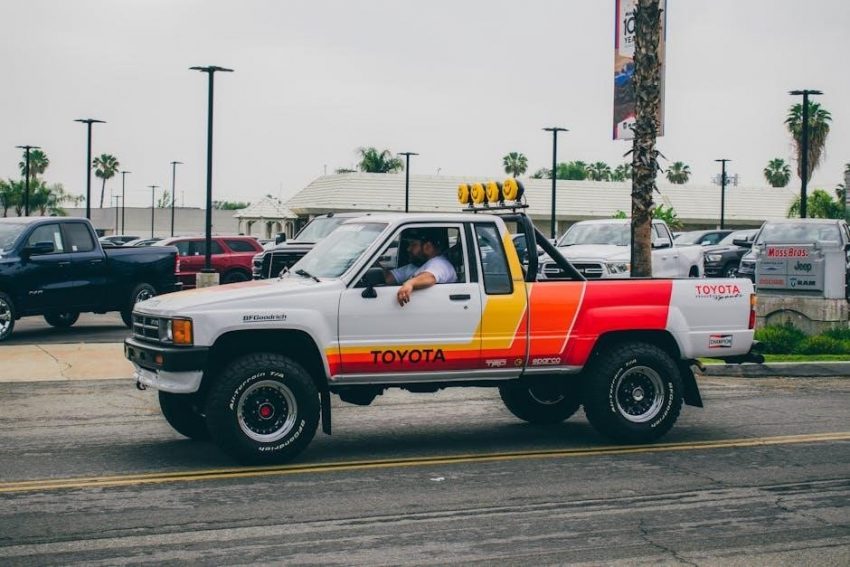
Toyota 4Runner Manual Transmission: A Comprehensive Guide
This guide delves into the world of Toyota 4Runner manual transmissions‚ covering historical aspects‚ popular models like the W56 and R150F‚ and potential issues.
The Toyota 4Runner has long been celebrated for its rugged capability and off-road prowess‚ and for many enthusiasts‚ a manual transmission is integral to that experience. While automatic transmissions have become increasingly dominant in the automotive landscape‚ the 4Runner has‚ at various points in its history‚ offered a satisfying and engaging manual option. This introduction sets the stage for a comprehensive exploration of these manual transmissions.
We’ll examine the appeal of a manual gearbox in a vehicle designed for challenging terrain‚ focusing on the driver control and connection it provides. Understanding the nuances of these transmissions – from their specifications to common problems – is crucial for both current 4Runner owners and those considering a purchase. This guide aims to equip you with the knowledge to confidently maintain‚ troubleshoot‚ and even upgrade your 4Runner’s manual transmission‚ ensuring years of reliable performance. The information presented will cover various generations and transmission types found within the 4Runner lineage‚ offering a holistic view of this often-overlooked aspect of the vehicle.
Historical Overview of 4Runner Manual Options
The availability of manual transmissions in the Toyota 4Runner has fluctuated throughout its generations. Early 4Runners‚ particularly those from the first and second generations‚ commonly featured manual gearboxes as a standard or readily available option‚ catering to drivers who preferred greater control and a more direct driving experience. These early manuals were often paired with the 4Runner’s robust four-wheel-drive systems‚ enhancing its off-road capabilities.
As the third generation (1996-2002) arrived‚ the prevalence of manual transmissions began to decline‚ becoming less common in the North American market. While still offered‚ it wasn’t always the preferred choice for buyers increasingly accustomed to automatic convenience. Later generations saw a further reduction in manual availability‚ with some years offering no manual option at all. The shift reflected broader automotive trends and consumer preferences. However‚ dedicated enthusiasts continued to seek out these rarer manual 4Runners‚ valuing their unique driving characteristics and the connection they provide to the vehicle. Understanding this historical context is key to appreciating the significance of the manual 4Runner.
Popular Manual Transmission Models (W56‚ R150F‚ etc.)
Several manual transmission models have been paired with the Toyota 4Runner over the years‚ each possessing distinct characteristics. The W56 transmission‚ commonly found in earlier 4Runners‚ is known for its relative simplicity and durability. It’s a five-speed gearbox that proved reliable in both on-road and moderate off-road applications. Later models‚ particularly those requiring greater strength for more demanding use‚ often utilized the R150F.
The R150F is a heavier-duty five-speed transmission‚ capable of handling the increased torque from larger engines and more strenuous off-road conditions. It’s generally considered more robust than the W56. While less common‚ some 4Runners also featured other manual options depending on the specific year and market. Identifying the specific transmission in a 4Runner is crucial for maintenance and repair purposes‚ as parts and service procedures differ between models. Knowing these distinctions allows owners to properly care for their vehicle’s manual gearbox and ensure its longevity.
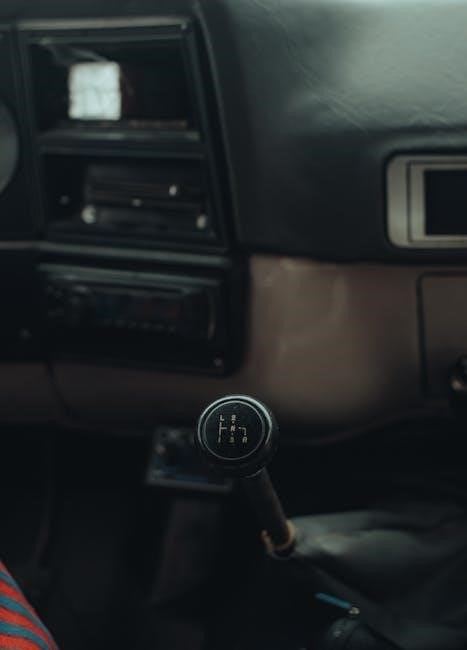
W56 Transmission: Specs and Characteristics
The Toyota W56 is a five-speed manual transmission widely used in older 4Runner models‚ celebrated for its straightforward design and dependable performance. Typically paired with the 2.4L and 3.0L engines‚ it features a cast-iron case for durability. Gear ratios vary slightly depending on the specific 4Runner year and configuration‚ but generally provide a balance between everyday drivability and off-road capability.
The W56’s first gear is relatively low‚ aiding in rock crawling and steep inclines. It’s known for a relatively smooth shift feel when properly maintained. However‚ it’s not without its limitations; it’s less robust than the R150F and may struggle with heavily modified 4Runners or those subjected to extreme off-road abuse. Common specs include a 21-spline input shaft and a 23-spline output shaft. Regular fluid changes are vital to prolonging the W56’s life‚ preventing wear and ensuring consistent operation.
R150F Transmission: Specs and Characteristics
The Toyota R150F is a robust‚ heavy-duty five-speed manual transmission favored by 4Runner enthusiasts‚ particularly those with V6 engines and those planning significant modifications. It’s considerably stronger than the W56‚ capable of handling higher torque loads and more demanding off-road conditions. Commonly found in 3.4L and 4.0L 4Runners‚ the R150F boasts a larger case and stronger internal components.
Key specifications include a 21-spline input shaft and a 23-spline output shaft‚ similar to the W56‚ but with upgraded gears and bearings. Its gear ratios are optimized for both on-road comfort and low-speed crawling. The R150F is known for its durability and ability to withstand abuse‚ making it a popular choice for overlanding builds and trail rigs. Regular maintenance‚ including fluid changes with the correct GL-4 gear oil‚ is crucial for maximizing its lifespan and preventing premature wear. It’s a highly sought-after transmission for its reliability and strength.
Common Problems with 4Runner Manual Transmissions
While Toyota 4Runner manual transmissions are generally reliable‚ several common issues can arise with age and use. Grinding gears‚ particularly when shifting into second or third‚ is a frequent complaint‚ often stemming from worn synchronizers or low transmission fluid. Clutch problems‚ including slipping‚ sticking‚ or complete failure‚ are also prevalent‚ requiring inspection of the clutch disc‚ pressure plate‚ and master/slave cylinders.
Another recurring issue is difficulty shifting‚ which can be caused by worn shift linkage‚ internal transmission wear‚ or incorrect fluid levels. The infamous P0758 code‚ indicating a shift solenoid issue (though more common in automatics‚ it can sometimes manifest in manual systems with electronic components)‚ can lead to erratic shifting. Leaks from seals and gaskets are also common as the transmission ages. Proactive maintenance‚ including regular fluid changes and inspections‚ can help mitigate these problems and extend the life of your 4Runner’s manual transmission.
P0758 Code and Shift Solenoid Issues
Although the P0758 code – “Shift Solenoid B Electrical” – is predominantly associated with Toyota’s automatic transmissions (like the A340E)‚ it can occasionally surface in 4Runners equipped with electronically assisted manual transmissions or those with aftermarket modifications. This code signals an electrical fault within the shift solenoid circuit‚ potentially causing erratic shifting‚ failure to shift‚ or the transmission remaining stuck in a single gear.

The root cause can range from a faulty solenoid itself to wiring issues‚ a damaged Transmission Control Module (TCM)‚ or even a low voltage supply. Diagnosing requires careful examination of the solenoid’s resistance‚ wiring harness continuity‚ and TCM functionality. While less common in purely mechanical manual transmissions‚ the presence of this code warrants immediate attention. Ignoring it can lead to further transmission damage or complete failure. Proper diagnosis and repair‚ potentially involving solenoid replacement or wiring repair‚ are crucial for restoring smooth shifting performance.
Grinding Gears: Causes and Solutions
Experiencing grinding gears in your Toyota 4Runner’s manual transmission is a concerning symptom‚ often indicating synchronization issues within the gearbox. Several factors can contribute to this problem. Worn synchronizers‚ responsible for matching gear speeds before engagement‚ are a primary culprit. Improper clutch adjustment‚ leading to incomplete disengagement‚ can also cause grinding‚ as can low or degraded transmission fluid failing to adequately lubricate the gears.
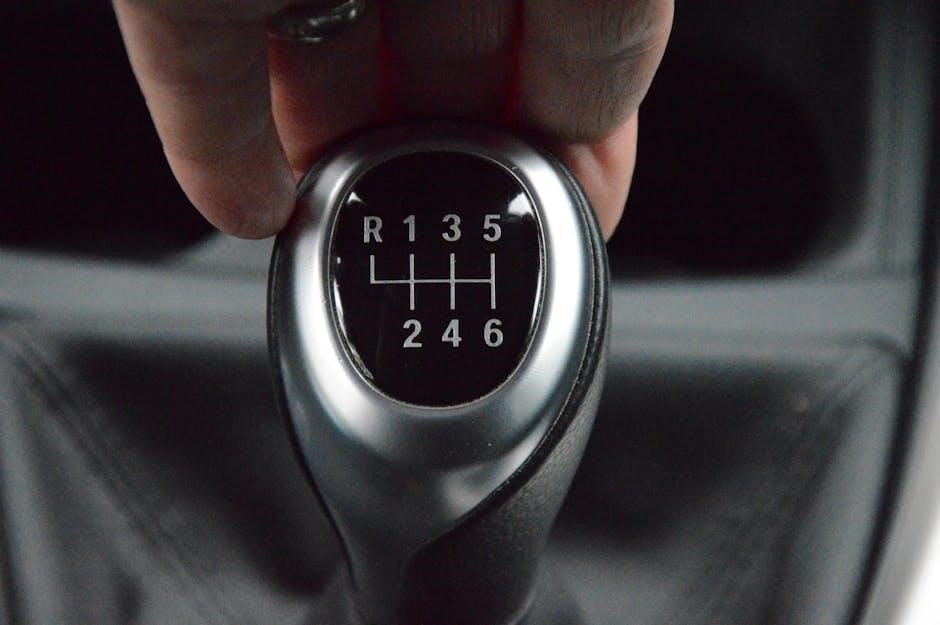
Solutions vary depending on the severity. Adjusting the clutch cable or hydraulic system is a first step. A transmission fluid change with the correct fluid type is essential. If grinding persists‚ internal inspection is necessary. This may involve replacing worn synchronizers‚ shift forks‚ or even rebuilding the entire transmission. Aggressive shifting habits exacerbate wear‚ so adopting smoother driving techniques can prevent future issues. Ignoring grinding can lead to significant gear damage and costly repairs‚ so prompt attention is vital.

Clutch Issues: Slipping‚ Sticking‚ and Failure
Clutch problems are common in Toyota 4Runner manual transmissions‚ manifesting as slipping‚ sticking‚ or complete failure. Clutch slippage‚ characterized by engine revving without corresponding acceleration‚ usually indicates a worn clutch disc. This wear reduces friction‚ preventing full power transfer. A sticking clutch pedal‚ conversely‚ suggests issues with the clutch cable‚ hydraulic system‚ or even a warped clutch disc causing binding.
Complete clutch failure often results from prolonged slippage or internal component breakage. Addressing these issues requires inspection of the entire clutch assembly – disc‚ pressure plate‚ and throw-out bearing. Replacing the clutch kit is often the most effective solution. Proper clutch adjustment is crucial after installation. Upgrading to a heavy-duty clutch can be beneficial for vehicles used in demanding conditions or with engine modifications. Ignoring clutch issues can lead to further damage and potentially strand you.
Transmission Fluid: Type‚ Change Intervals‚ and Importance
Maintaining proper transmission fluid levels and quality is paramount for the longevity of your Toyota 4Runner’s manual transmission. Unlike automatic transmissions‚ manual transmissions don’t typically have a “filter” but utilize a screen. The correct fluid type varies depending on the transmission model; generally‚ a GL-4 or GL-5 gear oil with the appropriate viscosity is recommended – consult your owner’s manual. Using the wrong fluid can cause significant damage.
Change intervals are debated‚ but a good rule of thumb is every 30‚000 to 60‚000 miles‚ or more frequently with heavy use (off-roading‚ towing). Regular fluid changes lubricate gears‚ reduce friction‚ prevent corrosion‚ and help dissipate heat. Old fluid becomes contaminated with metal particles and loses its lubricating properties. A simple drain and fill is often sufficient‚ as Toyota transmissions typically use a screen rather than a replaceable filter. Monitoring fluid condition for metallic sheen or unusual odors is crucial for early problem detection.
DIY Transmission Fluid Change Procedure
Performing a manual transmission fluid change is a relatively straightforward DIY task. First‚ warm up the transmission slightly by driving briefly. Securely jack up the vehicle and support it with jack stands. Locate the drain plug on the transmission – it’s usually on the lower side. Place a drain pan underneath and remove the plug‚ allowing the old fluid to drain completely.
Once drained‚ reinstall the plug with a new crush washer. Locate the fill plug (often near the drain plug) and remove it. Using a pump or squeeze bottle‚ slowly fill the transmission with the correct type and amount of fluid‚ as specified in your owner’s manual. Replace the fill plug. Lower the vehicle and check for leaks. Finally‚ take a short test drive and recheck the fluid level. Remember to dispose of the old fluid responsibly at a recycling center.
Identifying Transmission Filter/Screen Differences
A crucial aspect of 4Runner manual transmission maintenance is understanding the difference between a filter and a screen. Unlike many automatic transmissions utilizing replaceable filters‚ most 4Runner manual transmissions employ a fine mesh screen. This screen is integrated within the transmission case and isn’t designed for routine replacement like a traditional filter.
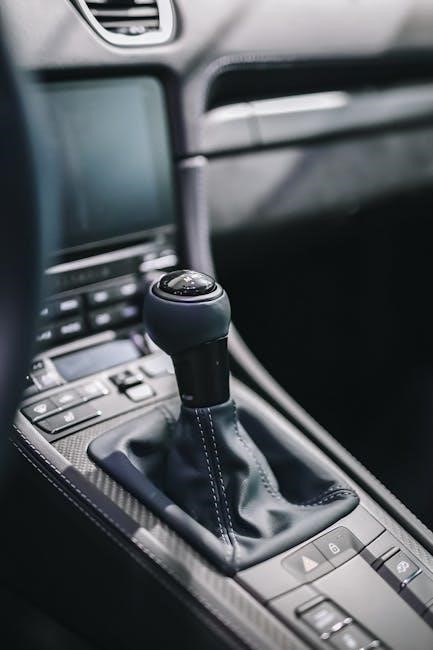
Attempting to remove the screen can lead to debris entering the transmission‚ causing more harm than good. When performing a fluid change‚ the drain plug access allows sediment to settle‚ effectively cleaning the screen during the fluid flow. Some models may have a removable plug allowing access to inspect the screen’s condition‚ but replacement isn’t typically recommended unless visibly damaged. Always consult your specific 4Runner’s service manual to confirm the presence and type of filtration system before attempting any maintenance.
Upgrading the Clutch for Increased Performance
For 4Runner owners seeking enhanced performance‚ particularly those engaging in off-roading or towing‚ upgrading the clutch is a common modification. Stock clutches are often designed for general use and may struggle with increased demands. Several aftermarket options cater to different needs‚ ranging from mild performance gains to heavy-duty durability.
Upgrading typically involves replacing the clutch disc‚ pressure plate‚ and throw-out bearing. Considerations include clutch type (organic‚ ceramic‚ or hybrid)‚ clamping force‚ and friction material. Ceramic clutches offer superior heat resistance and grip but can be harsher for daily driving. Organic clutches provide smoother engagement but may wear faster. A heavier flywheel can also improve low-end torque. Professional installation is highly recommended to ensure proper alignment and prevent damage. Remember to break in the new clutch correctly to maximize its lifespan and performance.
Aftermarket Transmission Cooler Options
Maintaining optimal transmission fluid temperature is crucial‚ especially for 4Runners used for towing‚ off-roading‚ or in hot climates. Aftermarket transmission coolers provide enhanced cooling capacity‚ preventing fluid breakdown and extending transmission life. Several types are available‚ including air-to-oil and oil-to-oil coolers.
Air-to-oil coolers‚ resembling radiators‚ mount in front of the radiator and dissipate heat directly into the atmosphere. Oil-to-oil coolers utilize an additional heat exchanger‚ typically mounted near the radiator‚ to cool the transmission fluid using engine coolant. Choosing the right cooler depends on usage and budget. Larger coolers offer greater cooling capacity but may require modifications for installation.

Installation usually involves replacing the existing transmission lines with longer‚ cooler-equipped lines. Proper routing and secure mounting are essential to prevent leaks or damage. Consider a cooler with a thermostatically controlled fan for optimal temperature regulation.
Troubleshooting Difficult Shifting
Experiencing difficulty shifting gears in your 4Runner manual transmission can stem from various causes. Begin by checking the basics: ensure the clutch is fully disengaging and the shift linkage isn’t binding. Worn or damaged linkage components can create resistance‚ making gear selection challenging.
Low or contaminated transmission fluid is a common culprit. Inspect the fluid level and condition; dark‚ gritty fluid indicates a need for a change. Internal transmission issues‚ such as worn synchronizers‚ can also cause grinding or difficulty engaging certain gears. A failing master or slave cylinder can prevent full clutch disengagement‚ leading to shifting problems.
Carefully listen for unusual noises during shifting. Grinding sounds often point to synchronizer issues. If the problem persists‚ a professional diagnosis is recommended to pinpoint the root cause and prevent further damage.
Repairing vs. Replacing a 4Runner Manual Transmission
Deciding whether to repair or replace a 4Runner’s manual transmission hinges on the extent of the damage and associated costs. Minor issues‚ like a worn synchronizer or damaged seal‚ can often be addressed through a rebuild. This involves disassembling the transmission‚ replacing faulty parts‚ and reassembling it – a cost-effective solution for isolated problems.
However‚ if the transmission case is cracked‚ gears are severely damaged‚ or multiple internal components require replacement‚ a full replacement might be more practical. The cost of rebuilding can quickly escalate with extensive damage‚ potentially exceeding the price of a used or remanufactured transmission.
Consider factors like the vehicle’s overall condition and your long-term ownership plans. A rebuild is worthwhile for a well-maintained 4Runner you intend to keep‚ while replacement might be preferable for an older vehicle with other existing issues.

Finding Parts for 4Runner Manual Transmissions
Sourcing parts for a 4Runner manual transmission requires a multi-faceted approach. Toyota dealerships remain a reliable‚ albeit often pricier‚ option for genuine OEM parts‚ ensuring compatibility and quality. Online Toyota parts retailers frequently offer discounts compared to dealership prices.
For used or remanufactured components‚ explore online marketplaces like eBay and dedicated automotive salvage yards. These can yield significant savings‚ but careful inspection and verifying the part’s condition are crucial. Specialized 4Runner forums and communities often host classifieds sections where members sell used parts.
When purchasing‚ have the transmission’s model number (W56‚ R150F‚ etc.) readily available to ensure correct fitment. Consider rebuild kits containing essential seals‚ gaskets‚ and synchronizers for comprehensive repairs. Prioritize reputable suppliers with clear return policies to mitigate potential issues.
Resources for 4Runner Manual Transmission Owners
Numerous online and community resources cater specifically to 4Runner manual transmission owners. Dedicated 4Runner forums‚ such as those on Toyota Nation and IH8MUD‚ provide invaluable platforms for sharing knowledge‚ troubleshooting issues‚ and accessing detailed repair information.
YouTube channels specializing in Toyota repairs often feature videos demonstrating manual transmission maintenance and repair procedures. Websites offering Toyota factory service manuals (FSM) provide comprehensive diagrams and specifications‚ though often require a purchase or subscription.
Local 4×4 clubs and off-road communities can offer hands-on assistance and shared expertise. Consider joining Facebook groups dedicated to 4Runners for quick question-and-answer support. Finally‚ Toyota’s official website provides access to parts catalogs and service bulletins‚ aiding in identifying correct components and understanding potential recalls or technical service advisories.
Future of Manual Transmissions in the 4Runner
The future of manual transmissions in the Toyota 4Runner remains uncertain‚ mirroring a broader industry trend towards automatic transmissions and advanced driver-assistance systems. Declining consumer demand for manual options has led Toyota to significantly reduce their availability in recent model years.
However‚ a dedicated enthusiast base continues to champion the manual transmission for its enhanced driver engagement and control‚ particularly in off-road scenarios. Whether Toyota will respond to this demand with a renewed manual offering in future 4Runner generations is speculative.
Factors influencing this decision include emissions regulations‚ the complexity of integrating manual transmissions with modern vehicle technologies‚ and overall market preferences. While a complete discontinuation seems plausible‚ a limited-edition manual 4Runner catering to enthusiasts cannot be entirely ruled out‚ potentially as a heritage or TRD Pro variant.